Diesel diagnostics
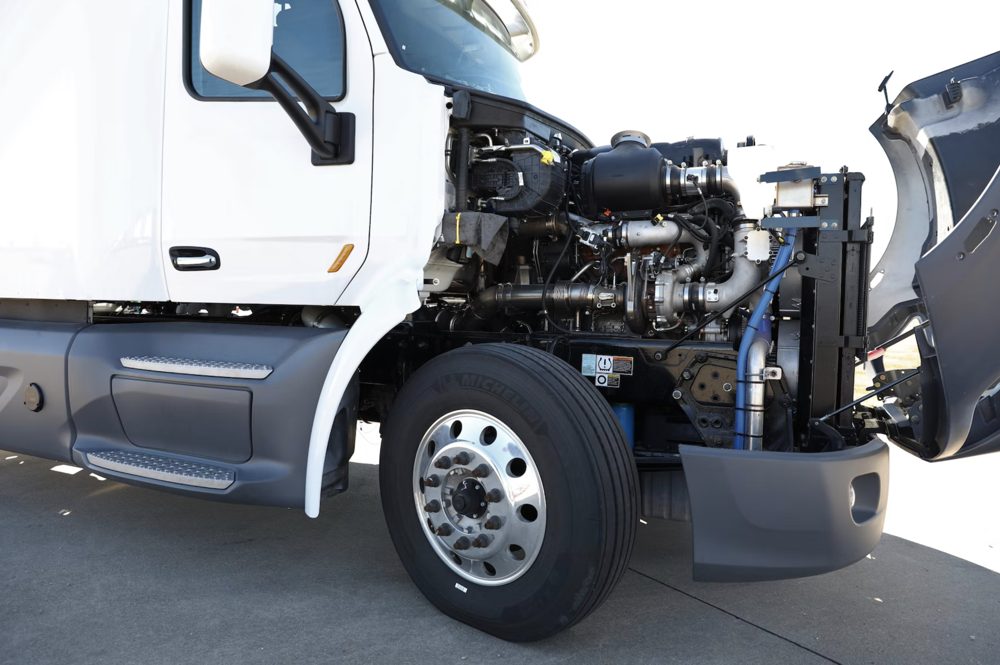
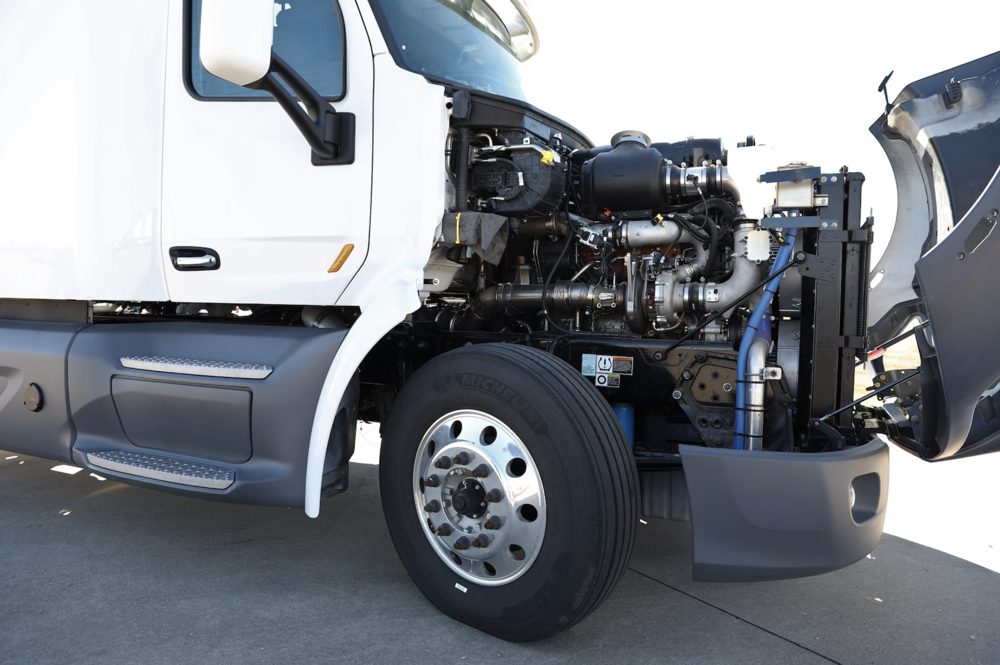
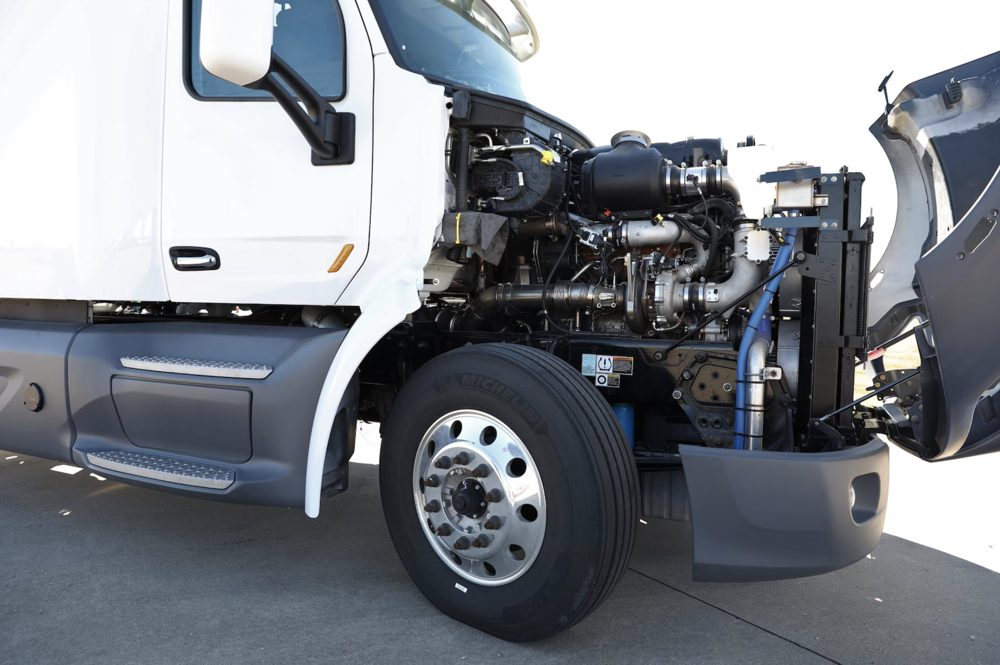
Fault codes read at the truck, no-starts and derates traced with tests. The verdict comes in plain English before any part is billed.
Orlando freight feeds two hungry machines at once: the tourism corridor that consumes truckloads daily, and the distribution belt that grew up around it. Both run on schedules that treat a broken truck as an emergency, and both sit in traffic that treats a tow as an all-day event. Orlando Truck Repair Company skips the tow. The technician drives to your truck, at the theme park delivery docks, the Taft warehouse rows, or whatever piece of I-4 claimed you today.
Diesel diagnostics, brake and air systems, trailer faults, tire failures, electrical gremlins, and standing fleet care, all planned around Central Florida's heat and its storm calendar.
Fault codes read at the truck, no-starts and derates traced with tests. The verdict comes in plain English before any part is billed.
I-4 stop-and-go eats brakes. Chambers, valves, leaks, and adjustment handled on location, set to spec.
Lights, air, doors, floors, landing gear, and the trailer half of cold-chain problems, prioritized by what the cargo can survive.
Florida's battery graveyard reputation is earned. We load-test, check the charging path, and replace only what failed the numbers.
Blowout changeouts and pressure work at the truck, with the afternoon-heat margins this state demands.
Yard rounds timed to your routes and the storm calendar, unit records kept, surprises reduced.
The fleets feeding this metro run refrigerated, dry, and everything between, mostly on repeating routes that make maintenance predictable if anyone bothers to predict it. We bother: yard visits on a calendar, a written history per unit, and a heads-up the moment one truck starts costing more than its siblings. Vendors hauling into the attraction gates get extra attention on the items those security checks flag.
Independents get the same standards without the account paperwork. One truck, one honest verdict, every time.
The backbone is I-4, a road with a national reputation it earns daily. Around it: the 417 and 528 toll relievers, Orange Blossom Trail's industrial stretch, the Taft-McCoy freight district by the airport, and the attraction-area delivery infrastructure that most drivers never see until they are assigned to it. We work all of it, plus the citrus and produce operations that still anchor the region's older freight.
Attraction deliveries are their own discipline: tight windows, strict dock rules, security screening, and zero tolerance for a truck that dies in a service tunnel queue. We know those protocols and we fix equipment within them, which is a sentence very few mobile services in this state can write.
Tell us the failure, the location, the cargo, and whether the rig creeps safely. We answer with the likely cause, a lot-or-bay judgment stated plainly, and a window quoted against I-4's current personality. Photos of the dash accelerate every part of this.
From June through November we also ask about the storm calendar, because a repair scheduled against an approaching system is a different plan than a Tuesday afternoon one. Florida logistics respects the radar and so do we.
Yes, within each property's vendor and security rules, which we know well. Name the property and gate when you call and we will walk through the exact access steps before rolling.
It is bad and we quote around it honestly. If your spot is workable we work it; if the shoulder is a hazard we plan the short move first. Sometimes the fastest repair on I-4 is the one that starts two exits away.
Call with the temp and setpoint first. We plan cargo protection before wrench time, whether that means a dock door, a rental unit, or the fastest possible fix. The load outranks the repair and our triage says so.
Preparation mode: we clear open repairs, prioritize fleets with storm roles, and keep honest about what fits before conditions close the window. Afterward we triage by operational need. Get on the pre-storm list early and the whole week goes better.
Constantly. Linen, food service, staging, merch: the tourism economy moves in box trucks and their liftgates and brakes carry the load. Same triage, same number.
This metro's freight peaks when the parks sleep. Overnight dock work is normal work for us, and the phone answers accordingly.
The working answer is the I-4 corridor and its branches, both directions from the core. Call with your exit and you get a real window based on where our truck is, not a zone chart.
Summer battery deaths and I-4 tire failures, in a near tie. Both are afternoon phenomena, both are preventable with a spring check, and both are exactly why the service truck stays stocked with each.
Have eyes on the rig when you dial and the call gets shorter:
Central Florida heat is not dramatic, it is relentless, and it collects from equipment daily. Batteries here age in dog years. Tires gain pressure through every afternoon and lose margin with it. Cooling systems run at the top of their range from May to October, which is exactly when the reefer units work hardest too. Our summer stock and our summer questions reflect all of it.
There is also the I-4 factor, which deserves its own line item: this corridor stops and starts violently enough to wear brakes, clutches, and driver patience at famous rates. Equipment running daily I-4 duty needs its brake checks on a shorter cycle than the manual suggests, and the fleets that adopt that cycle stop meeting us on the shoulder.
Hurricane season adds the second calendar. Before a system arrives, the calls are all preparation: fuel, batteries, and fleets closing every open repair while the window lasts. Afterward come the flooded-lot electrical faults and the debris-road tire casualties. We staff both weeks like the different jobs they are.
The convention corridor moves exhibit freight on schedules measured in dock-minutes, with drayage companies, show decorators, and venue crews all sharing the same ramps. A truck that dies in that choreography does not just miss a slot, it jams a queue thirty companies deep. We treat convention-week calls as clock-first triage: what is your move-in window, where is the truck in the sequence, and what is the fastest safe way to get it out of everyone's arithmetic. The venues remember vendors whose equipment does not cause scenes, and we help keep it that way.
Off-week, the same docks host the quieter restock traffic, and the same rules apply at lower volume. Either way, the number works.
Orlando looks like a leisure economy and runs like a logistics one. Every hotel room, restaurant seat, and ride queue is restocked nightly by trucks working invisible hours, and that invisible fleet has no slack for shop queues. Mobile repair is how the paradox stays solved: the equipment gets fixed inside its own schedule, at the dock it already occupies, by a service that understands the show must literally go on.
Central Florida adds warehouse space faster than any market its size, and every new distribution box adds trucks that will eventually need a wrench. The bays are not multiplying at the same rate. Fleets that route routine failures to mobile service keep their bay relationships for the jobs that genuinely need a lift, and their trucks spend the difference earning. It is not a trend, it is arithmetic with a Florida accent.
Location, failure, cargo, deadline. Verdict, window, technician rolling. Everything else is just tools meeting truck.